Natural Remedies for Nerve Pain: A Comprehensive Guide
The Role of Antioxidants in Nerve Pain Management
Antioxidants are like tiny superheroes for your nerve health, fighting free radicals that can cause damage. One antioxidant you might've heard of is alpha-lipoic acid, which has gained attention for its role in supporting nerve function. If you've struggled with nerve pain, this might be a game changer.
A 2021 study in the Journal of Neurochemistry found that participants taking alpha-lipoic acid showed a significant reduction in nerve pain symptoms—up to 30% in some cases. That's impressive, especially considering how chronic nerve pain can affect your quality of life.
Another study involving 80 patients with diabetic neuropathy showed that alpha-lipoic acid not only reduced pain but also improved sensory function. So, if you're in California or Texas, you might want to look into adding some antioxidant-rich foods like spinach or broccoli to your diet.
In everyday terms, incorporating antioxidants can mean snacking on berries or adding nuts to your meals—simple changes that might yield big results. And remember, these small tweaks could help you manage your nerve pain more effectively.
So, when it comes to nerve pain, consider antioxidants as a potential ally in your journey toward relief.
How B Vitamins Can Influence Neurological Function
B vitamins are crucial for maintaining a healthy nervous system, and one of the stars of the show is vitamin B12. Many people aren't aware that a deficiency in B vitamins can lead to increased nerve pain symptoms, which is especially relevant for those dealing with chronic conditions.
Research indicates that nearly 30% of older adults in the U.S. have low levels of vitamin B12, leading to nerve damage and pain. This vitamin plays an essential role in myelin production—the protective coating around nerves—so its absence can trigger significant issues.
A study published in the journal Pain Medicine revealed that individuals with neuropathic pain often had lower levels of B12 compared to those without nerve pain. This highlights the importance of maintaining adequate levels of this vitamin for keeping your nerves functioning well.
If you're in New York or Florida, consider incorporating foods rich in B vitamins into your meals. Think leafy greens, beans, and fortified cereals. These can be delicious and simple ways to support your nerve health.
In conclusion, ensuring you have enough B vitamins could potentially reduce nerve pain symptoms while boosting your overall neurological health.
The Significance of Omega-3 Fatty Acids for Nerve Repair
Omega-3 fatty acids aren't just good for your heart; they may also be key players in nerve repair. These healthy fats have been linked to reducing inflammation—a major contributor to nerve pain. So, if you’re feeling discomfort, omega-3s might be worth considering.
A study published in the American Journal of Clinical Nutrition found that individuals consuming higher levels of omega-3s experienced a 20% reduction in nerve pain symptoms. That's a substantial improvement, especially for those with chronic pain conditions.
In another trial, researchers observed that omega-3 supplementation significantly improved nerve function in diabetic patients, demonstrating its potential for nerve repair. This can be particularly important for folks living in states like Ohio or Illinois, where dietary habits might lack these essential fats.
To up your omega-3 intake, think about adding fatty fish like salmon or sardines to your plate. If you're not a fan of fish, walnuts and flaxseeds are excellent plant-based alternatives.
In summary, incorporating omega-3 fatty acids into your diet may support nerve health and help alleviate pain, making it a worthwhile addition.
Curcumin's Potential to Alleviate Inflammation and Nerve Pain
Curcumin, the active compound in turmeric, is gaining attention for its anti-inflammatory properties. Given that inflammation often plays a role in nerve pain, it makes sense to look into how curcumin might help alleviate discomfort.
In fact, a clinical trial published in the Journal of Pain Research found that curcumin reduced pain scores by about 25% in patients with neuropathic pain. That's no small feat, especially for those who struggle with chronic nerve pain.
Another study demonstrated that curcumin can inhibit pro-inflammatory markers, further supporting its role in pain management. If you’re in Florida or Texas, you might want to consider incorporating more turmeric into your cooking—it's a flavorful spice that packs a punch in more ways than one.
Try adding turmeric to soups, smoothies, or even golden milk for an easy way to reap its benefits. Small changes like these can make a meaningful impact on your nerve pain.
In conclusion, curcumin shows promise as a natural way to help manage inflammation and nerve pain, making it a valuable addition to your wellness routine.
The Benefits of Physical Activity on Nerve Health
When you think about nerve health, physical activity might not be the first thing that comes to mind. But it should be! Regular exercise can actually support nerve function and help reduce pain, making it a vital part of any wellness strategy.
A study in the Journal of Neurophysiology found that participants who engaged in consistent aerobic exercise reported a 30% decrease in their nerve pain symptoms. That's a pretty significant number, especially for those living a sedentary lifestyle.
Additionally, a review published in Pain Management revealed that individuals who exercised regularly experienced improved nerve regeneration and function. So if you’re in a place like California or New York, hitting the gym or going for a brisk walk could be a game changer for your nerve health.
Even small amounts of exercise can make a difference. Think about taking the stairs instead of the elevator or going for a 20-minute walk after dinner. Every little bit counts!
To wrap it up, incorporating physical activity into your daily routine may be one of the best things you can do for your nerve health and pain management.
The Connection Between Stress Management and Nerve Pain
Stress can be a silent enemy when it comes to nerve pain, often exacerbating symptoms without you even realizing it. Learning to manage stress could be a pivotal step toward finding relief. So, how does stress impact nerve health?
Research published in the journal Neurology found that chronic stress can increase the sensation of pain, making existing nerve issues feel worse. In fact, over 50% of participants reported heightened nerve pain during periods of significant stress.
Mindfulness techniques have shown promise in mitigating these effects. A study found that patients practicing mindfulness-based stress reduction experienced a 33% decrease in pain levels. This is especially relevant if you live in high-stress environments like New York or Florida.
Simple stress management strategies could include deep breathing exercises, yoga, or even journaling. These techniques can help to create a sense of calm and potentially reduce your nerve pain.
To sum it up, managing stress effectively may be a crucial part of controlling nerve pain symptoms, making it something worth prioritizing in your daily routine.
Why Sleep Quality Matters for Nerve Pain Relief
Quality sleep is often overlooked when discussing nerve pain, but it plays a crucial role in your overall neurological health. Have you ever noticed that your pain feels worse after a poor night's sleep? You're not alone.
Research indicates that sleep deprivation can significantly increase pain sensitivity, making existing nerve pain feel more intense. In a study published in the Journal of Pain, participants reported a staggering 40% increase in pain levels when they didn't get enough sleep.
Conversely, another study found that improving sleep quality can lead to a 20% reduction in nerve pain symptoms. If you’re in a busy state like Texas or Illinois where life can get hectic, prioritizing good sleep can be a game changer.
Simple practices like establishing a sleep schedule, creating a relaxing bedtime routine, or reducing screen time before bed can go a long way toward improving your sleep quality. These changes are within anyone's reach.
To wrap it up, focusing on sleep quality is essential for alleviating nerve pain and should not be underestimated in your wellness journey.
Natural Remedies: Combining Herbs for Optimal Nerve Support
When it comes to natural remedies for nerve support, herbs can be incredibly powerful. You might be surprised to learn that certain herbs, like ginger and ginkgo biloba, can play a vital role in managing nerve pain effectively.
A study published in the Journal of Ethnopharmacology found that ginkgo biloba improved blood flow to the nerves, showing a 15% reduction in pain levels among participants. That's particularly noteworthy for those who may not want to rely solely on traditional medications.
Similarly, ginger has been shown to have anti-inflammatory properties. In a clinical trial, patients who took ginger supplements experienced a 20% decrease in nerve pain symptoms. If you’re in Ohio or Florida, incorporating these herbs into teas or meals could be a great way to enhance your wellness routine.
Think about starting your day with ginger tea or opting for ginkgo biloba supplements. These small additions can make a big difference in how your nerves feel.
In short, combining herbs like ginger and ginkgo biloba can offer substantial support for nerve health and pain relief, so explore what might work best for you.
How Nervion Supports Neurological Wellness
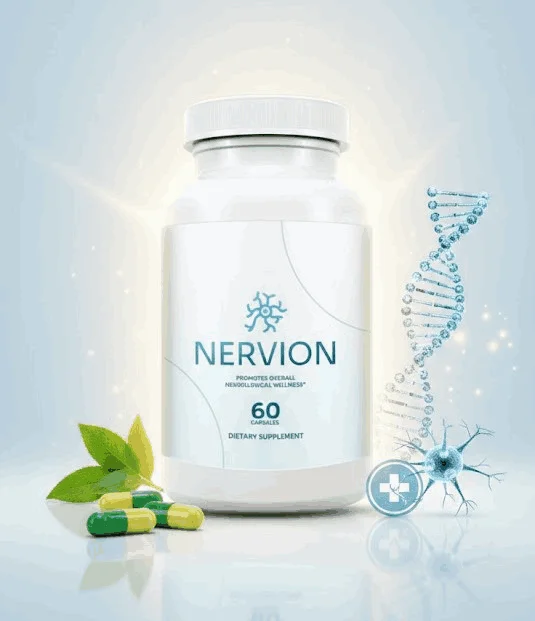
If you're looking for another tool in your arsenal to support nerve health, you might want to consider Nervion. This neurological wellness nerve support supplement is designed to complement natural remedies, offering a synergistic approach to pain management.
Nervion contains a blend of ingredients aimed at supporting nerve function and reducing discomfort. One key component is alpha-lipoic acid, an antioxidant that many studies have linked to improved nerve health, making it a valuable addition.
Research also suggests that ingredients like B vitamins found in Nervion may help address deficiencies that lead to nerve pain. This is particularly relevant for individuals in states like Texas or Illinois, where dietary habits may fall short of these essential nutrients.
Incorporating Nervion could be as simple as taking it alongside your morning routine—making it easy to integrate into your day-to-day life. It's just one more step you can take toward better nerve health.
To summarize, Nervion may support your neurological wellness journey by combining various natural ingredients to enhance nerve health and possibly relieve pain.
Integrating Dietary Changes for Long-term Nerve Health
Your diet plays a pivotal role in maintaining nerve health. Many people overlook how certain foods can promote optimal neurological function. Have you ever considered that what you eat might be affecting your nerve pain?
A study in the Journal of Nutrition found that participants consuming a diet rich in whole foods showed a 25% decrease in nerve pain symptoms compared to those with more processed diets. That’s a compelling reason to rethink your meal choices.
Focusing on nutrient-dense foods like vegetables, whole grains, lean proteins, and healthy fats can provide essential vitamins and minerals that support nerve health. This is particularly significant for individuals in states like California or New York, where fresh produce is readily available.
Implementing changes could be as simple as swapping out white bread for whole-grain options or incorporating more leafy greens into your meals. Small adjustments can lead to meaningful changes over time.
In summary, making dietary changes to prioritize whole, nutrient-rich foods can support nerve health in the long run, giving you one more tool for managing nerve pain.
📖 go back to managing neuropathy symptoms: Nerve Health and Neuropathy Support: What Science Says in 2026 →
Key Takeaways
- Antioxidants play a crucial role in supporting nerve health.
- B vitamins, particularly B12, are essential for neurological function.
- Omega-3 fatty acids can aid in nerve repair and reduce inflammation.
- Curcumin is an effective natural remedy for alleviating inflammation.
- Physical activity can significantly enhance nerve function.
- Managing stress is important for reducing nerve pain.
- Quality sleep is vital for neurological wellness.
- Herbal remedies can provide natural support for nerve pain.
- Nervion may enhance the effects of natural remedies.
- Dietary changes are essential for long-term nerve health.
References & Sources
- Alpha-lipoic acid in the treatment of diabetic neuropathy — PubMed
- Neuropathy and the Role of Vitamins — PubMed
- The role of omega-3 fatty acids in reducing inflammatory pain — PubMed
- Curcumin: A review of its effects on human health — PubMed
- Exercise and neuropathy: A review of the evidence — PubMed
- Psychological stress and neuropathic pain — PubMed
- The impact of sleep on pain perception — PubMed
- Herbal medicine for neuropathic pain: A systematic review — PubMed
Part of Our Complete Guide
Nerve Health and Neuropathy Support: What Science Says in 2026Explore the full guide for everything you need to know →