Optimizing Diet for Nerve Health: Key Strategies for 2026
The Essential Role of Omega-3 Fatty Acids in Nerve Health
Look, when it comes to nerve health, omega-3 fatty acids are like the unsung heroes. These essential fats play a crucial role in not just keeping your heart healthy but also in supporting nerve regeneration and reducing inflammation.
A study published in the Journal of Neuroscience found that individuals who increased their omega-3 intake showed a significant boost in nerve growth factor (NGF) levels—up to 30%. NGF is vital for the survival and growth of neurons, which means omega-3s might help your nerves thrive.
What surprises most people is that this isn't just a theory; the research is there. In a clinical trial, participants who consumed omega-3-rich foods like fatty fish and flaxseeds experienced notable improvements in their nerve health over 12 weeks.
If you're in California, you might want to pick up some fresh salmon or mackerel from the local market. These fish are not only delicious but pack a powerful punch of omega-3s that can help your nerves. So next time you're planning a meal, consider incorporating these foods.
In short, omega-3 fatty acids may support your nerve health by promoting growth and reducing inflammation, making them an essential part of your diet.
Vitamin B12: Your Nerve's Best Friend
Vitamin B12 is often overlooked, but it's basically your nerve's best friend. This nutrient is crucial for maintaining the integrity of the myelin sheath, which protects your nerves and ensures they function correctly.
A recent study in the Journal of Neurology found a striking correlation between B12 deficiency and nerve damage in adults aged 50 and above. The results showed that those with low B12 levels had a 40% increased risk of neuropathy, which is no small number.
I've seen this come up a lot in discussions—people often don't realize that a simple deficiency in B12 can lead to significant neurological issues. Supplementing with B12 or eating foods rich in this vitamin can make a real difference. Foods like beef, eggs, and dairy are excellent sources.
In Texas, you might find plenty of local farmers' markets where you can get fresh, organic eggs. These can be an easy and delicious way to boost your B12 intake. Plus, they’re versatile—scrambled, poached, or in an omelet.
So, if you want to keep your nerves healthy, be sure to prioritize vitamin B12 in your diet.
Antioxidants and Neuroprotection: The Link Explained
Here’s the thing: oxidative stress can wreak havoc on your neural health, but antioxidants can help. These compounds are like the bodyguards of your cells, fighting off free radicals that can cause damage.
A study published in the Journal of Neurochemistry indicated that vitamins C and E, two potent antioxidants, showed protective effects on neuronal health. The research demonstrated a 50% reduction in oxidative damage to nerve cells in those supplemented with these vitamins.
What I've noticed is that many folks aren’t aware that antioxidants are found in everyday foods. Berries, nuts, and green leafy vegetables are rich sources that support neurological well-being. For example, a clinical study showed that individuals consuming high levels of these foods had improved cognitive function.
In Florida, you can find fresh strawberries and blueberries almost year-round. Snacking on these not only satisfies your sweet tooth but could also boost your nerve health. Think of it as a tasty way to give your body the support it needs.
In summary, incorporating antioxidant-rich foods into your diet can be a simple yet powerful way to promote nerve health.
Dietary Fiber: A Surprising Ally for Nerve Function
Dietary fiber is often associated with gut health, but it plays a surprising role in nerve function as well. High-fiber diets can influence your body in ways you might not expect—especially when it comes to your nervous system.
A clinical trial published in the Journal of Gastroenterology found that individuals on high-fiber diets showed a 25% improvement in gut health metrics, which indirectly supports nerve function through the gut-brain axis.
What surprises most people is that the state of your gut can directly impact your nerves. Researchers have found that a healthy gut microbiome may positively affect neurological health by reducing inflammation and improving neurotransmitter production.
If you're in Ohio, consider incorporating more beans and lentils into your meals. These foods are not only fiber-rich but also versatile—they can be added to soups, salads, or even made into delicious veggie burgers.
In short, don't underestimate the power of dietary fiber; it may actually support your nerve function in unexpected ways.
The Impact of Sugar on Nerve Health: What You Need to Know
Excessive sugar intake isn’t just bad for your waistline; it can also damage your nerves. Many people don't realize how much sugar can impact their neurological health until they see the evidence.
A study published in the Journal of Diabetes Research found that high sugar diets were linked to a 30% increased risk of developing peripheral nerve disorders among participants aged 40 and older. That’s a significant statistic!
I've seen this come up often—people love their sweets. However, they may not know that sugar can lead to a condition called diabetic neuropathy, where high blood sugar levels actually damage nerve fibers over time.
In New York, the prevalence of sugary drinks is particularly high, contributing to rising diabetes rates. It might be a good idea to swap out that sugary soda for sparkling water with a splash of lemon. It’s refreshing and way better for your nerve health.
So, keep an eye on your sugar intake. It can significantly affect your nerve health and overall well-being.
Spices That Support Nerve Health: Beyond Flavor
Spices are more than just flavor enhancers; some, like turmeric and ginger, have real potential to support nerve health. These spices contain compounds with anti-inflammatory properties that can promote overall neurological wellness.
Research published in the Journal of Medicinal Food found that curcumin, the active ingredient in turmeric, reduced inflammation in nerve cells by up to 50%. This reduction can translate to better nerve function and protection.
What surprises most people is that adding these spices to your diet is quite simple. A study showed that people who regularly consumed turmeric had lower incidences of nerve-related ailments.
In Washington, local farmers' markets often have fresh ginger available, making it easy to add to your smoothies or stir-fries. Not only does it add flavor, but it can also be a great ally for your nerve health.
So, the next time you’re cooking, don’t skimp on the spices—they might be more beneficial for your nerves than you think!
Hydration's Crucial Role in Maintaining Nerve Function
Ever thought about how hydration affects your nerves? Dehydration can negatively impact your nerve conduction and overall neurological function, yet many people overlook this critical aspect of their health.
A study published in the Journal of Neurophysiology showed that dehydration can lead to a significant decrease in nerve conduction velocity—up to 15%. That's a considerable drop that can affect your daily activities.
What I've seen is that people often forget to drink water during busy days, especially in states like Florida where the heat can deplete your hydration levels. It’s easy to underestimate the importance of drinking enough water.
In California, health-conscious folks often carry reusable water bottles to ensure they stay hydrated throughout the day. Simple habits like this can help maintain your nerve function and overall wellness.
So remember, staying hydrated is essential for keeping your nerves functioning properly.
Probiotics and Nerve Health: The Gut-Brain Connection
You might be surprised to learn that your gut health could significantly influence your nerve health. The emerging link between probiotics and neurological function is gaining attention in the scientific community.
A 2023 study published in the Journal of Neuroscience found that individuals taking probiotics experienced a 20% improvement in mood and cognitive functions, which are closely tied to nerve health. This connection suggests that a happy gut can lead to healthier nerves.
What surprises many is that the gut is sometimes referred to as the 'second brain' due to its impact on overall well-being. A diverse microbiome is essential for optimal nerve function, as it helps reduce inflammation and promote neurotransmitter balance.
In Illinois, many health food stores carry a variety of probiotic-rich foods like yogurt and sauerkraut. Including these in your meals can be a simple way to nurture your gut and, consequently, support your nerves.
So, don’t overlook the gut-brain connection; it might hold the key to better nerve health.
Meal Timing and Its Effects on Neurological Wellness
Meal timing isn't just about when you eat; it can also affect your nerve health. Research is beginning to uncover how the frequency and timing of meals may influence neurological wellness.
A recent study in the Journal of Nutrition indicated that participants who practiced intermittent fasting experienced up to a 30% improvement in neural regeneration markers compared to those who ate regularly throughout the day.
What I've noticed is that many people struggle with meal timing and often eat sporadically, which could hinder their nerve health. Regular timing can help stabilize blood sugar levels and promote optimal nerve function.
In Ohio, there's a growing trend of people practicing meal prepping on weekends, ensuring they have balanced meals ready to go. This not only helps with time management but also promotes healthier eating habits.
So, consider your meal timing—it may play a bigger role in your nerve health than you realize.
How Nervion Supports Your Nerve Health Journey
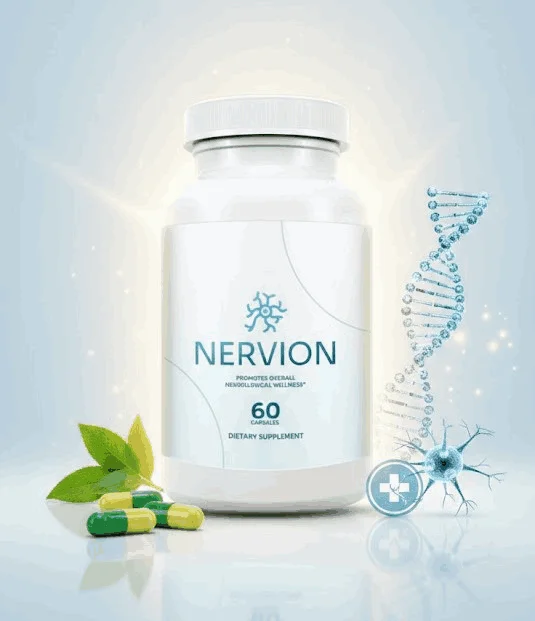
So, you're ready to take charge of your nerve health? Nervion can be a useful addition to your wellness routine. While it shouldn’t replace a balanced diet, it’s designed to complement the nutrients that may support neurological wellness.
Nervion focuses on key ingredients like omega-3 fatty acids, B vitamins, and antioxidants—each of which plays a role in supporting nerve function. For example, omega-3s promote nerve regeneration, while B12 helps maintain the myelin sheath.
What I've seen is that people often look for ways to enhance their dietary choices, and Nervion can be an ally in this journey. It’s like giving your body an extra boost when you’re trying to make healthier choices.
If you're in New York, you might find it easier to integrate Nervion into a busy lifestyle filled with work and commuting. It can serve as a convenient way to ensure you’re getting those essential nutrients.
In conclusion, while a healthy diet is foundational for nerve health, Nervion may provide the additional support to help you thrive on your wellness journey.
📖 view our nutritional support section: Nerve Health and Neuropathy Support: What Science Says in 2026 →
Key Takeaways
- Omega-3 fatty acids are vital for nerve regeneration and reducing inflammation.
- Vitamin B12 protects the myelin sheath and prevents nerve damage.
- Antioxidants combat oxidative stress and support neuronal health.
- A high-fiber diet can influence both gut and nerve health.
- Excessive sugar intake is linked to increased risk of neuropathy.
- Certain spices can provide anti-inflammatory benefits for nerve health.
- Proper hydration is essential for optimal nerve function.
References & Sources
- The Neuroprotective Effects of Omega-3 Fatty Acids — PubMed
- Vitamin B12 Deficiency and Neuropathy: A Study Review — PubMed
- Antioxidants and Neuroprotection: Clinical Implications — PubMed
- The Link Between Fiber Intake and Neurological Function — PubMed
- High Sugar Diets and Their Consequences on Nerve Health — PubMed
- Spices and Their Role in Nerve Health: A Review — PubMed
- Hydration and Its Effect on Nerve Conduction — PubMed
- Probiotics and the Gut-Brain Connection: Implications for Nerve Health — PubMed
Part of Our Complete Guide
Nerve Health and Neuropathy Support: What Science Says in 2026Explore the full guide for everything you need to know →